QLD Minimum Housing Standards: A Rental Owner's Guide
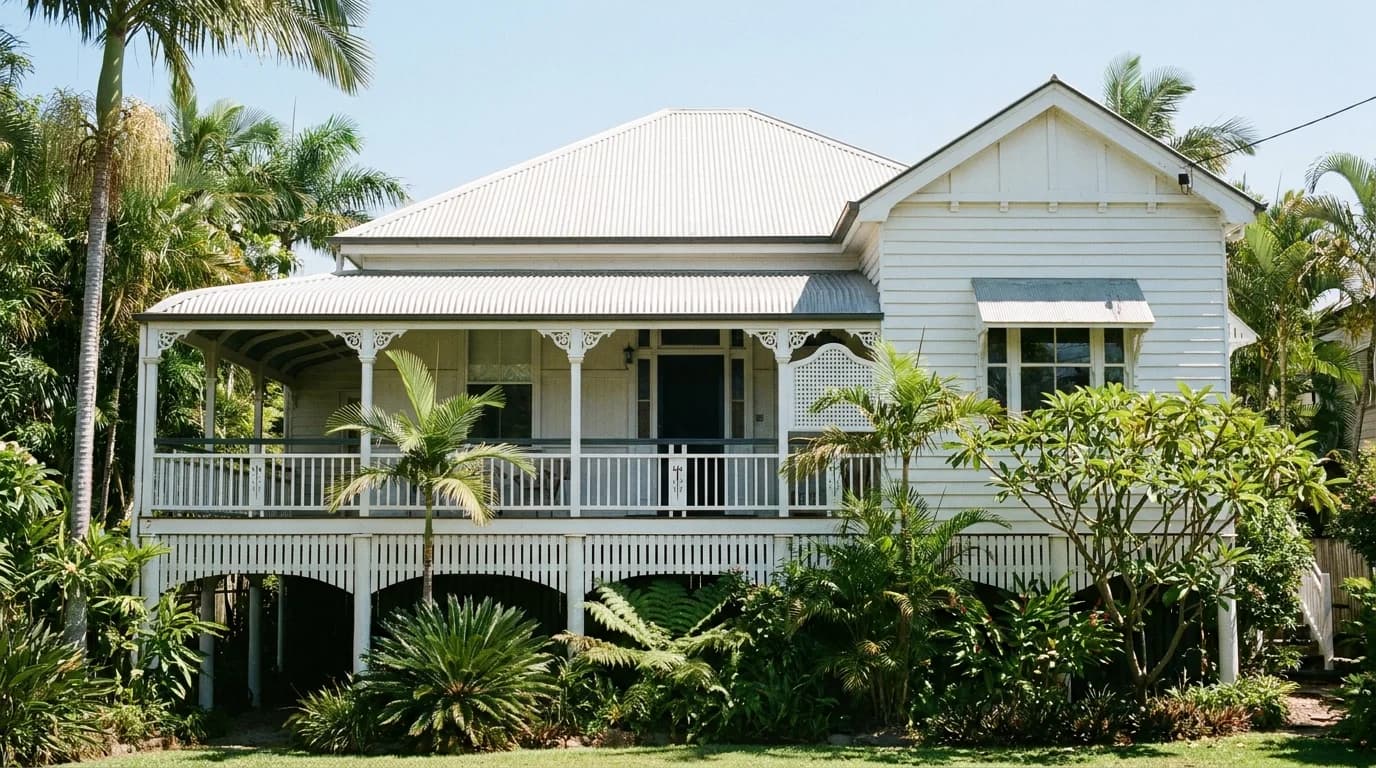
Queensland's minimum housing standards changed the baseline for every rental property in the state — houses, units and townhouses alike — as part of the rental law changes Queensland has rolled out over recent years. For most well-maintained investment properties they're straightforward to meet, but "we've never had a complaint" is not the same as "we comply", and the gap between those two statements is exactly where owners get caught: mid-tenancy, mid-dispute or mid-insurance-claim. This guide covers what the standards require, what happens when a property falls short, and how to get compliant before your next tenancy.
This article is general information, not legal advice. Requirements evolve — always confirm current obligations with the Residential Tenancies Authority (RTA) or a qualified professional before making decisions about your property.
What are Queensland's minimum housing standards?
The minimum housing standards are legal requirements under Queensland tenancy law that define the baseline condition a rental must meet at the start of a tenancy and maintain throughout it. They were phased in through Queensland's broader rental reforms — first applying to new tenancies, then extending to all tenancies — and at the time of writing they apply to every residential tenancy in the state. The RTA publishes the current detail and is the authority to check if you're unsure how a requirement applies to your property.
The intent is basic safety, security and functionality — not luxury. Queensland rental property standards don't require air conditioning, dishwashers or new kitchens. They require that the property is safe, secure, reasonably private, and that essential facilities actually work.
For investors, the practical shift is this: what used to be "good practice" is now a legal floor, and compliance gets checked at the worst possible moments — when a tenant lodges a dispute, when the RTA gets involved, or when an insurer reviews a claim.
The full checklist: weatherproof, structurally sound, in good repair
Here's the minimum housing standards checklist in plain terms. A compliant Queensland rental needs to be:
- Weatherproof and structurally sound — the roof, walls, floors and windows keep water out, and the building isn't compromised by rot, rust, significant cracking or defective foundations.
- In good repair — fixtures, fittings and inclusions (think taps, stoves, hot water systems) function as intended and are not likely to injure anyone through normal use.
- Serviced by adequate plumbing and drainage — with hot and cold water suitable for drinking, and a functioning toilet.
- Functional in the essentials — the kitchen can be used to prepare and cook food where cooking facilities are supplied, and laundry facilities work where they're provided.
- Free from vermin, damp and mould — where those issues arise from the property's condition rather than the tenant's conduct.
- Fitted with privacy coverings and functioning locks — covered in more detail below.
None of this is exotic. What trips owners up is evidence: being able to show the property met the standards at the start of the tenancy, and that any issues raised were fixed within the required timeframes. Thorough entry condition reports, dated photos and a maintenance log do most of that work — and it's a core part of what a professional property management service should deliver without being asked.
Locks, privacy and window coverings
Security and privacy get their own line items in the standards, and they're among the most commonly missed on older properties:
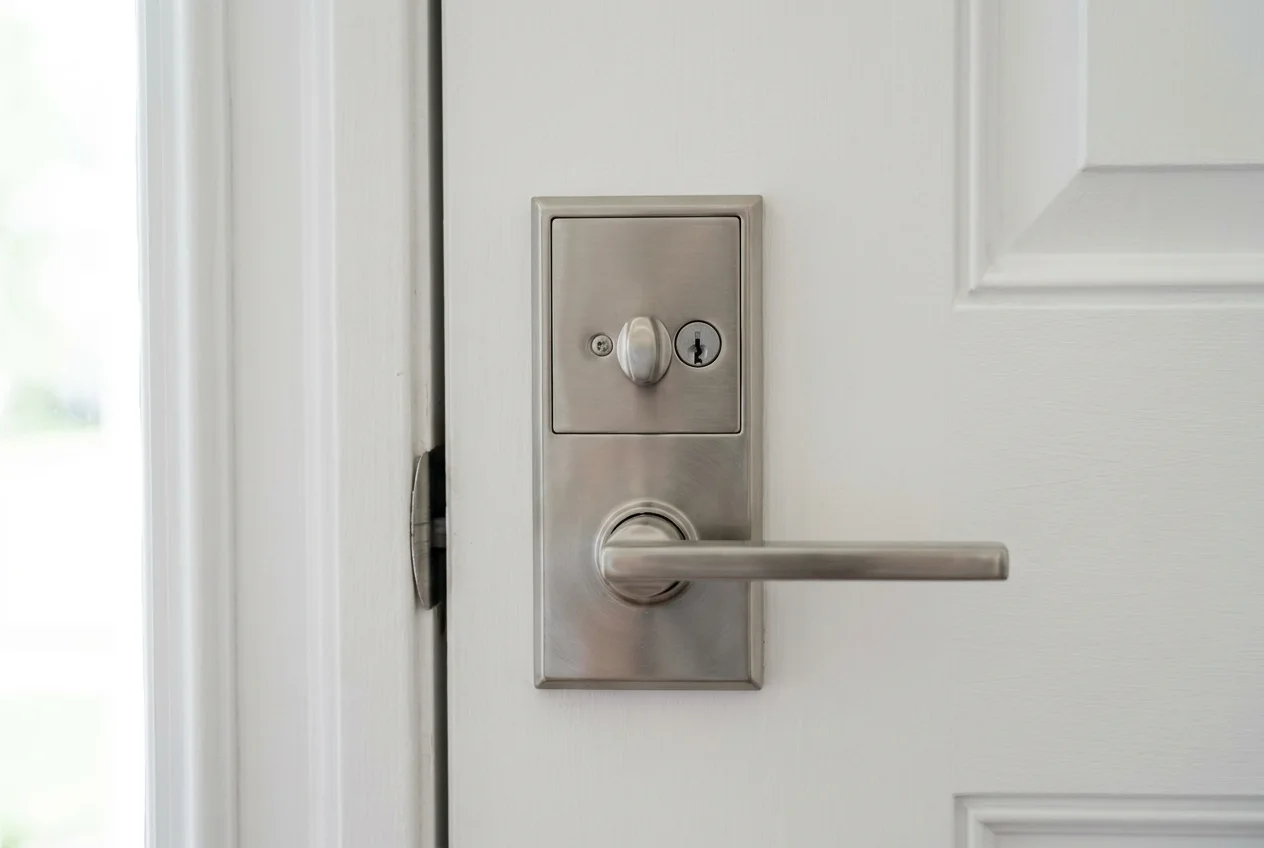
- External doors must have functioning locks or latches, and doors and windows that can be locked must be lockable.
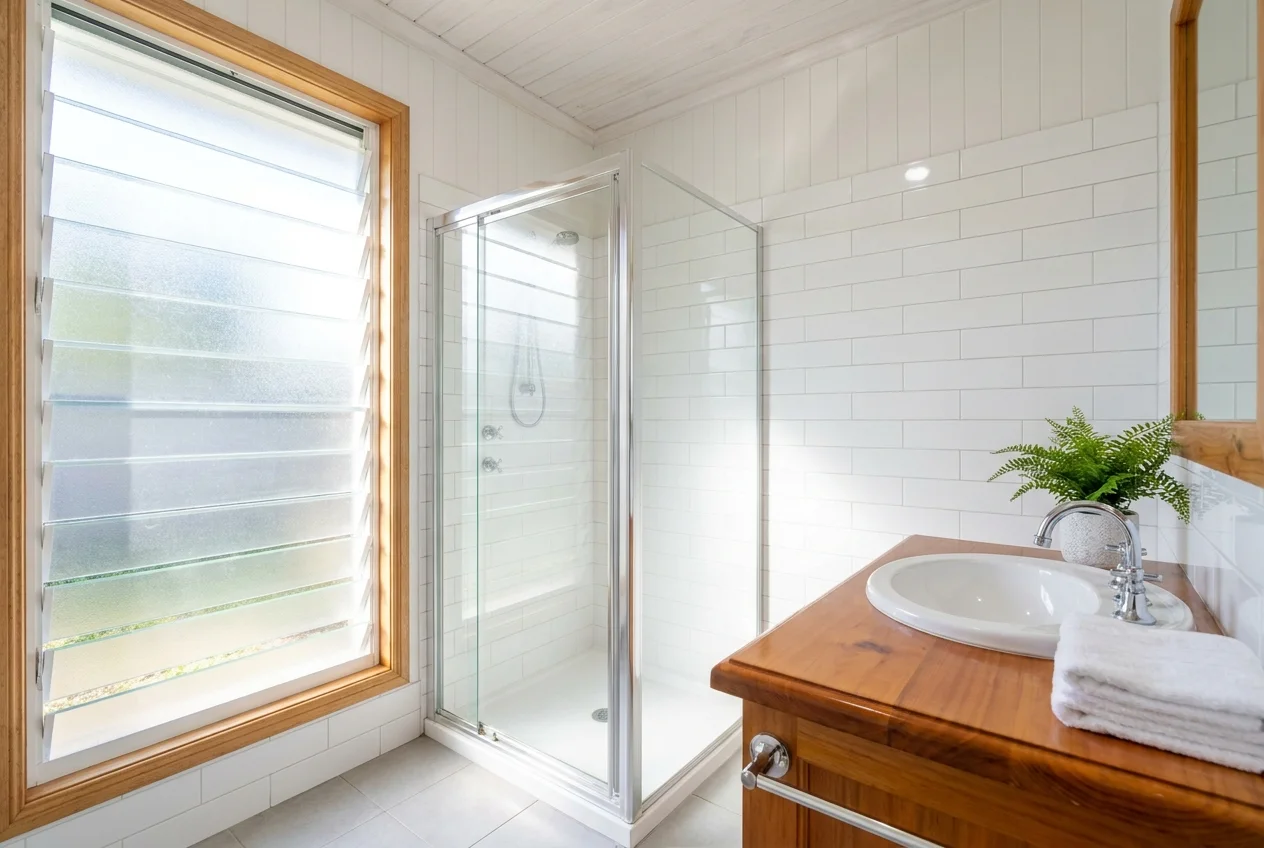
- Windows in rooms where people could reasonably expect privacy — bedrooms, bathrooms and the like — need privacy coverings such as blinds, curtains or tinting. A bare bedroom window that faces a neighbour's yard is a compliance gap, not a styling choice.
For owners of older Queenslanders and pre-renovation units, this is often the cheapest fix on the list and the easiest one to knock over between tenancies. It's also the kind of detail a switched-on local manager picks up on a routine inspection — one of the reasons the vetting questions in our guide to choosing a property manager focus so heavily on inspection practices.
Free from vermin, damp and mould
This is the standard that generates the most disputes, because responsibility depends on cause.
If mould or damp arises from the property's condition — a leaking roof, failed waterproofing, rising damp, blocked subfloor ventilation — that's the owner's responsibility to fix, and leaving it unaddressed is a compliance breach. If it arises from tenant behaviour, such as never opening a window in a steamy bathroom, the responsibility picture changes. Queensland's climate means the line is often contested, and the owner with dated photos, inspection reports and prompt repair records is in a far stronger position. The same logic applies to vermin: a property should be pest-free at the start of a tenancy, and infestations traceable to the building's condition sit with the owner.
Subtropical humidity makes this a genuinely local issue — bathroom extraction, subfloor ventilation and gutter maintenance matter more in Brisbane than in Melbourne, and older character stock in inner suburbs like New Farm sees it more than newer builds.
Smoke alarms and safety alongside the standards
Queensland's smoke alarm legislation for rentals technically sits alongside the minimum housing standards rather than inside them, but for practical purposes owners should treat them as one compliance package. At the time of writing, Queensland rentals must be fitted with interconnected photoelectric smoke alarms in every bedroom, in hallways connecting bedrooms, and on every storey, meeting the current Australian Standard — with testing obligations before each new tenancy. Confirm the current requirements with the Queensland Fire Department, as the rules have been rolled out in stages.
Alongside alarms, landlord compliance in Queensland typically also covers safety switches, compliant pool fencing with a current safety certificate where applicable, and blind cord anchors. If you run short-stay property as well as long-term rentals, note that these safety obligations follow the property regardless of letting model — our guide to short-stay rental rules in Brisbane covers that side.
What happens if your property doesn't comply
Non-compliance isn't an abstract risk. Under the current framework, tenants have real remedies:
- Repair notices and repair orders. Tenants can issue a request for repairs, and if issues aren't addressed they can seek a repair order through the tribunal — an enforceable order that can also affect rent.
- Emergency repairs. Some failures against the standards — a burst hot water service, a dangerous electrical fault, a roof leak — fall into the emergency repairs category for a QLD rental. At the time of writing, tenants can arrange emergency repairs themselves up to a capped amount (the RTA publishes the current cap, expressed as a multiple of weekly rent) and recover the cost if the owner can't be reached or doesn't act.
- Ending the tenancy. Significant non-compliance can give tenants grounds to end an agreement.
- Penalties. Failing to meet prescribed standards can attract penalties under tenancy law, and the RTA has compliance and enforcement functions. Figures change, so check the RTA's current guidance rather than relying on numbers from older articles.
There's a quieter cost too: a claim arising from a known, unaddressed defect makes for a much harder conversation with your insurer, and non-compliant properties consistently rent slower and turn over tenants faster.
Getting compliant before your next tenancy
The good news: for most properties, getting compliant is a modest, one-off exercise. A sensible sequence:
- Walk the property against the checklist — roof and gutters, locks and latches, window coverings, wet areas, plumbing, and appliances included in the tenancy.
- Fix the cheap items immediately. Privacy coverings, lock replacements and sealing gaps are low-cost, fast wins.
- Get ahead of the wet-area risks. Extraction, resealing and drainage cost far less before they become mould disputes.
- Document everything. Dated photos and invoices create the evidence trail that wins disputes before they start.
- Build it into your management routine. Proper entry condition reports, inspections that actually check the standards, and a trade panel that turns repairs around inside required timeframes.
If your current arrangement isn't doing this as a matter of course, that's a signal worth acting on. Our Brisbane property management team runs compliance as routine rather than crisis response, and we manage properties across South East Queensland — see all our locations.
FAQs
What are the minimum housing standards in Queensland?
They're legal baseline requirements for all Queensland rentals covering weatherproofing, structural soundness, working fixtures and plumbing, functioning locks, privacy coverings, and freedom from vermin, damp and mould caused by the property's condition. Phased in through Queensland's rental reforms, they now apply to all tenancies — the RTA publishes the authoritative detail.
What happens if a rental doesn't meet minimum housing standards in QLD?
Tenants can request repairs, arrange emergency repairs up to a capped amount in urgent cases, and seek enforceable repair orders through the tribunal. Serious non-compliance can give tenants grounds to end the tenancy, and owners can face penalties under tenancy law. It also weakens an owner's position in bond disputes and insurance claims.
Does a rental property need air conditioning in Queensland?
No — at the time of writing, air conditioning is not part of the minimum housing standards, even in Queensland's climate. The standards focus on safety, security and essential function rather than comfort features. That said, cooling is a significant drawcard for tenants in South East Queensland and often pays for itself in reduced vacancy.
Are smoke alarms part of minimum housing standards in QLD?
Smoke alarm obligations sit under separate Queensland fire safety legislation rather than within the minimum housing standards themselves, but every rental must comply with both. That means interconnected photoelectric alarms in the prescribed locations, tested before each new tenancy, at the time of writing. Treat alarms, safety switches and the housing standards as a single compliance package.
If you're not certain your rental would tick every box today, it's far better to find out before a tenant, the RTA or an insurer asks the question. Request a compliance-minded appraisal from UrbanShore — we'll walk the property with the standards in hand and give you a clear, prioritised list of anything that needs attention.

Owner insights, once a month.
Market notes, regulation changes and practical guides for South-East Queensland property owners. No noise.
Free Appraisal
Want advice specific to your property?
Get a free appraisal from the UrbanShore team — long-term rent and short-stay income, side by side.
Prefer to write it out? support@urbanshore.com.au