Airbnb Rules Brisbane 2026: Short-Stay Guide for Owners
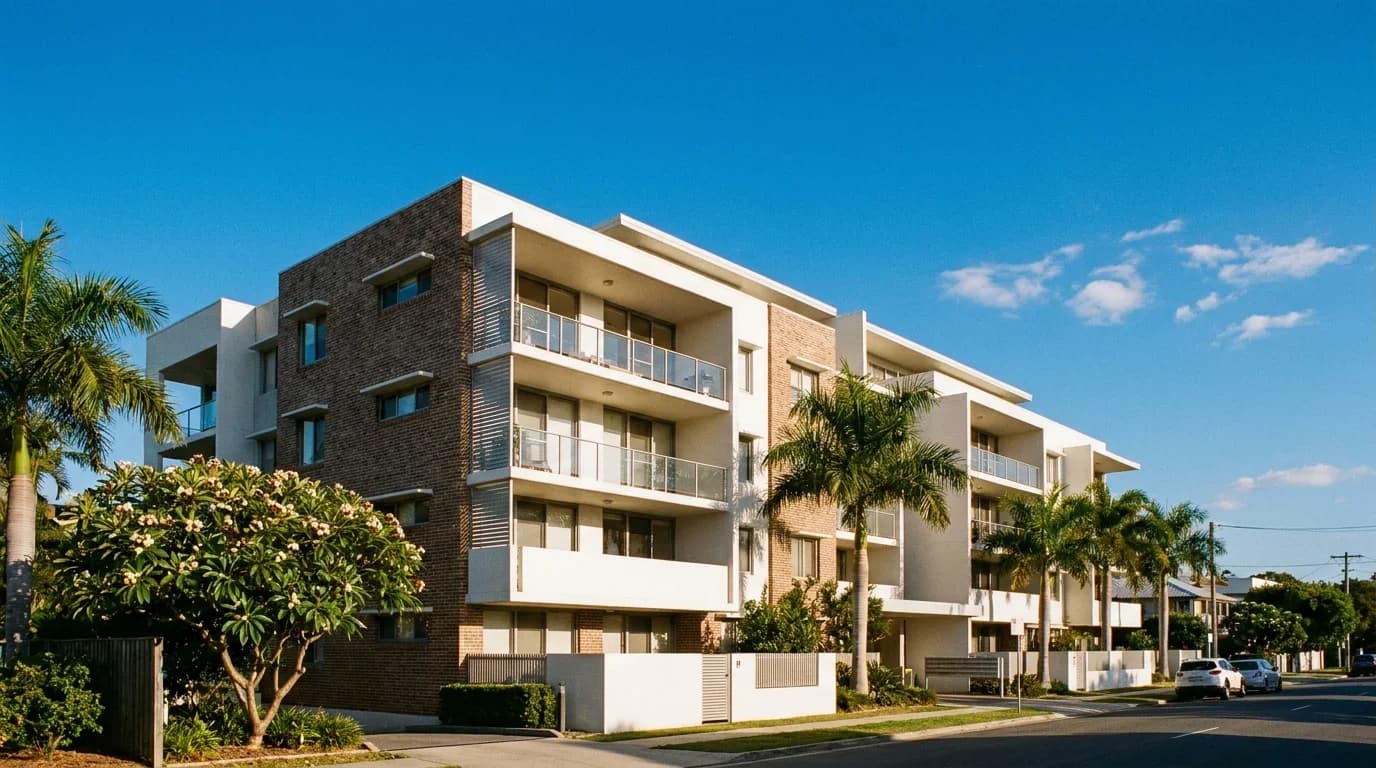
Short-stay letting can be one of the most profitable ways to run an investment property in South East Queensland — but the Airbnb rules in Brisbane are more layered than most new hosts expect. Council rates categories, planning approvals, body corporate by-laws and Queensland safety legislation all apply before your first guest checks in. Here's where the rules stand in 2026 and what they mean for your returns.
This article is general information, not legal advice. Short-term rental laws in QLD and Brisbane City Council policies change regularly — always confirm the current requirements with Brisbane City Council, the Queensland Government and a qualified professional before listing.
Where Brisbane's short-stay rules stand in 2026
At the time of writing, Queensland has no statewide night cap and no registration scheme in force for short-term rentals — although the state government has reviewed short-stay policy several times in recent years and further reform has been flagged, so check the current position before committing to a short-stay strategy.
What Brisbane does have is a set of local levers:
- Rates: Brisbane City Council applies a differential rating category to properties used for short-stay accommodation, which means higher council rates for many dedicated Airbnb properties.
- Planning: depending on the property type, zone and how the letting is structured, short-stay use may be accepted, may need approval, or may not be permitted.
- Building and safety: Queensland smoke alarm legislation and fire safety obligations apply to short-stay properties just as they do to long-term rentals.
- By-laws: for apartments and townhouses, the body corporate framework adds another layer entirely.
None of these rules make short stay accommodation in Brisbane unviable — plenty of owners run compliant, high-performing listings. But the owners who get caught out are almost always the ones who listed first and checked later.
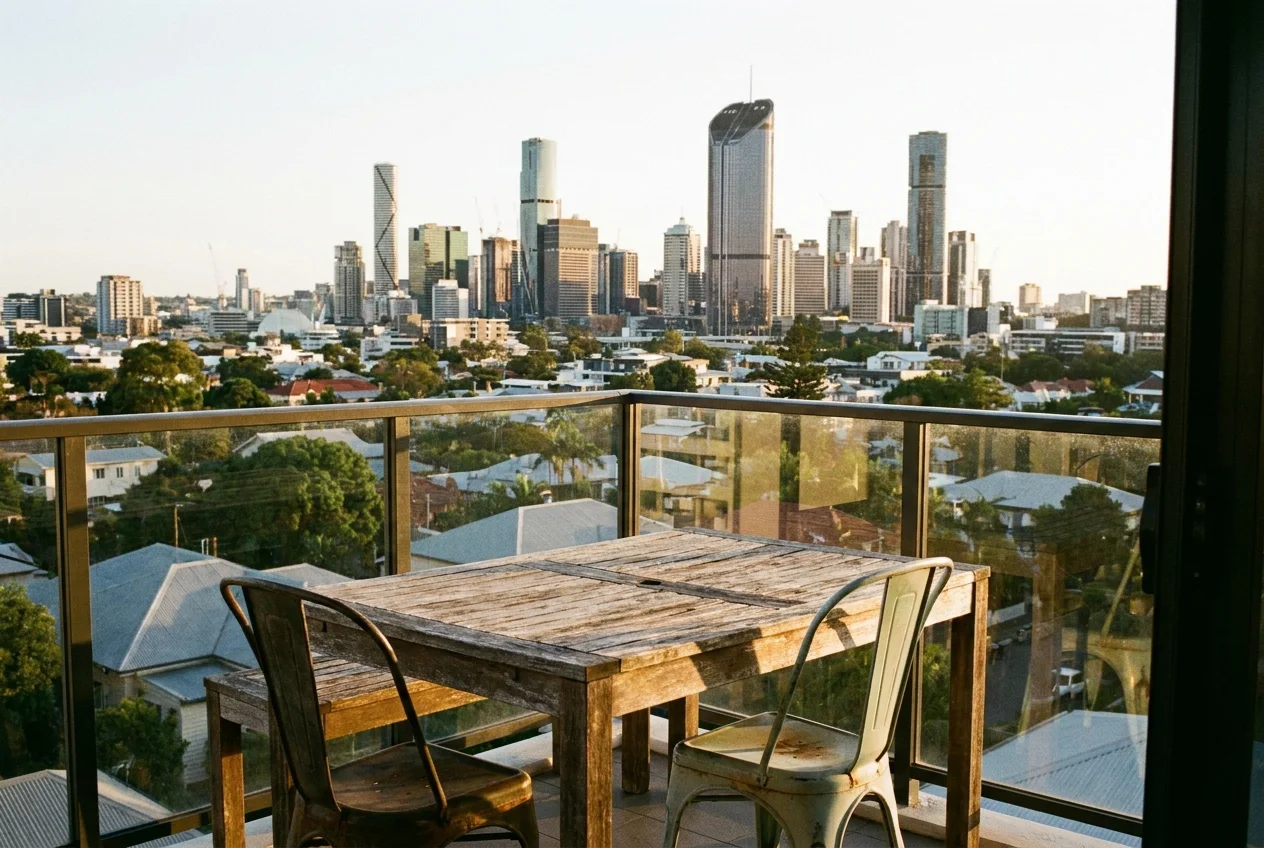
Do you need Brisbane City Council approval for an Airbnb?
The honest answer: it depends on the property, and this is where generic advice gets owners into trouble.
Under the Brisbane City Plan, short-term accommodation is a defined land use, and whether your property needs development approval turns on factors such as:
- The zone — a whole home in a low-density residential zone is assessed differently from an apartment in a mixed-use or centre zone.
- Hosted vs un-hosted — renting a room in the home you live in is generally treated more leniently than letting an entire dwelling to a rotating series of guests.
- Scale and frequency — occasional letting of your own home while you travel sits differently from a dedicated, year-round short-stay operation.
At the time of writing, many hosted arrangements can operate without formal approval, while dedicated whole-home short-stay use in certain zones may require development approval. The detail sits in the City Plan and has shifted over the years — check the current requirements with Brisbane City Council or a town planner for your specific address before you list.
If you'd rather not navigate the planning maze alone, a local operator that handles Airbnb management in Brisbane day in, day out can usually tell you quickly whether a property is likely to stack up.
The short-stay rates surcharge
This is the rule most Brisbane hosts feel first, because it arrives on the rates notice.
Brisbane City Council has, since 2022, applied a higher differential rating category to properties used for short-stay letting — often described in the media as the short-stay rates surcharge. The surcharge has been reported at a significant premium above the standard owner-occupier or rental rate, and council has adjusted the settings in subsequent budgets. Because the exact percentage and the qualifying criteria (such as how many nights per year the property is let) have changed over time, don't rely on figures from old news articles — confirm the current short stay rates for Brisbane directly with Brisbane City Council.
Two practical points for investors:
- Factor it into your feasibility numbers. A rates premium is a real cost, but on a well-located, well-run property it is often absorbed comfortably by the revenue uplift short-stay can deliver. Our comparison of Airbnb vs long-term rental returns walks through how to model this properly.
- Declare accurately. Council uses data-matching against listing platforms. Being re-categorised retrospectively — with back-dated rates — is a far worse outcome than budgeting for the correct category from the start.
Body corporate and by-law rules for short-stay apartments
If your property is in a community titles scheme, body corporate Airbnb rules in QLD are the first thing to check — before revenue projections, before styling, before anything.
The general position in Queensland, at the time of writing, is that a body corporate cannot use its by-laws to completely prohibit short-stay letting of a residential lot, because the legislation restricts by-laws that prevent a lawful use of a lot. But courts and adjudicators have considered the issue more than once, and outcomes have turned on the specific by-laws, the building's planning approvals and scheme structure — treat the general position as a starting point, not a guarantee, and get advice on your scheme specifically.
What a body corporate can typically do is regulate behaviour around short-stay use: by-laws covering noise, visitor parking, security access, use of common property and the conduct of occupants all apply to your guests, and you are responsible for ensuring guests comply. Repeated breaches can escalate into disputes, fines and a very strained relationship with the committee.
Before listing an apartment, review:
- The current by-laws and any recent motions touching letting, keys or access control
- The building's development approval and any conditions attached to it
- Whether the scheme has an on-site manager with letting rights, and how they view external operators
Queensland smoke alarm and safety requirements
Queensland's smoke alarm legislation is among the strictest in the country, and short-stay properties are not exempt. At the time of writing, dwellings that are sold or leased — which regulators have treated as including short-term letting — must be fitted with interconnected photoelectric smoke alarms in each bedroom, in hallways connecting bedrooms and on each storey, compliant with the current Australian Standard. Check the Queensland Fire Department's current guidance for the exact requirements and timelines.
Beyond smoke alarms, a well-run short-stay property should also cover:
- Safety switches on power circuits
- Compliant pool fencing and a current pool safety certificate where relevant
- Blind and curtain cord anchors
- Clear emergency information for guests, including evacuation details
These overlap heavily with the obligations long-term landlords carry under Queensland's rental reforms — if you also hold long-term stock, our guide to QLD minimum housing standards covers that side in detail.

How Brisbane compares to other capitals
Context helps here, because headlines about Airbnb crackdowns often refer to other states.
| City | Night caps (at time of writing) | Registration | Rates/levy treatment |
|---|---|---|---|
| Brisbane | No cap | No statewide register in force | Higher differential rates category for short-stay |
| Sydney (NSW) | 180-night cap for un-hosted properties in Greater Sydney | Statewide STRA register | Standard rates |
| Melbourne (VIC) | No general cap | Levy regime introduced | Statewide short-stay levy on bookings |
| Hobart (TAS) | No general cap | Permit system | Varies by council |
Settings in every state have been moving, so verify anything in this table before relying on it. The takeaway for investors: Queensland remains one of the more permissive short-stay environments in Australia, which is part of why short stay accommodation in Brisbane, the Gold Coast and the Sunshine Coast continues to attract investor capital.
Tax, insurance and record-keeping
Three unglamorous items that separate professional operators from hobbyists:
- Tax. Short-stay income is assessable, and deductions are apportioned by how the property is used and genuinely available across the year. The ATO has flagged short-term rentals as a compliance focus, so keep clean records of nights let, nights blocked for personal use, and every expense.
- Insurance. Standard landlord insurance generally isn't designed for paying guests and high turnover — you'll want cover written for short-stay use. Platform host guarantees are not a substitute for your own policy.
- Records. Booking histories, guest communications, cleaning logs and safety certificates. If council, the ATO or an insurer ever asks, the answer should be a file, not a memory.
A capable property management partner will run this record-keeping as standard, alongside pricing, guest screening and turnover logistics.
FAQs
Do I need council approval for Airbnb in Brisbane?
Sometimes. Hosted letting of your own home generally faces fewer hurdles, while dedicated whole-home short-stay use may require development approval depending on the zone under the Brisbane City Plan. Confirm the current position for your address with Brisbane City Council or a town planner before listing.
How many days can you Airbnb in Brisbane?
At the time of writing there is no night cap in Brisbane or Queensland — unlike Sydney, where un-hosted properties are limited to 180 nights per year. Note that the number of nights you let the property can affect which rates category council applies, so the days you host still matter financially even without a cap.
Can a body corporate stop Airbnb in Queensland?
Generally, Queensland by-laws cannot outright ban short-stay letting of a residential lot, because the legislation limits by-laws that prevent lawful use. However, outcomes have varied with a building's planning approvals and scheme structure, and by-laws can still regulate guest behaviour, access and common property use. Always review your scheme's by-laws and get specific advice before buying or listing.
Do you pay higher council rates for Airbnb in Brisbane?
In most cases, yes. Brisbane City Council applies a higher differential rating category to short-stay properties, reported at a substantial premium above standard residential rates. The exact percentage and qualifying criteria have been adjusted in successive budgets, so check the current figures with council.
Running a compliant, profitable short-stay property in Brisbane is very achievable — it just rewards owners who do the homework before the listing goes live. If you'd like a straight answer on whether your property stacks up for short-stay, and what it could earn once the rates, compliance and management costs are counted, talk to the UrbanShore team for a no-obligation assessment.
Owner insights, once a month.
Market notes, regulation changes and practical guides for South-East Queensland property owners. No noise.
Free Appraisal
Want advice specific to your property?
Get a free appraisal from the UrbanShore team — long-term rent and short-stay income, side by side.
Prefer to write it out? support@urbanshore.com.au